
Why Budgeting Must Come Before Design | RCSQ Toronto
It is the most common starting point for homeowners: you have a vision for a beautiful garden suite, so you hire a designer or architect to put those ideas on paper. You spend months refining the floor plans, choosing window placements, and imagining the finished space. Then, you take those completed drawings to a builder to get a price—and the project comes to a grinding halt.
At RCSQ, we call this the "Architectural Trap." When design happens in a vacuum without a firm grasp of construction costs, the result is almost always a set of drawings that are either impossible to build or tens of thousands of dollars over budget.
The Disconnect Between Design and Reality
Architects and designers are experts at aesthetics, flow, and municipal compliance. However, they are not always up-to-date on the weekly fluctuations of material costs, trade availability, or the specific logistical expenses of backyard infill.
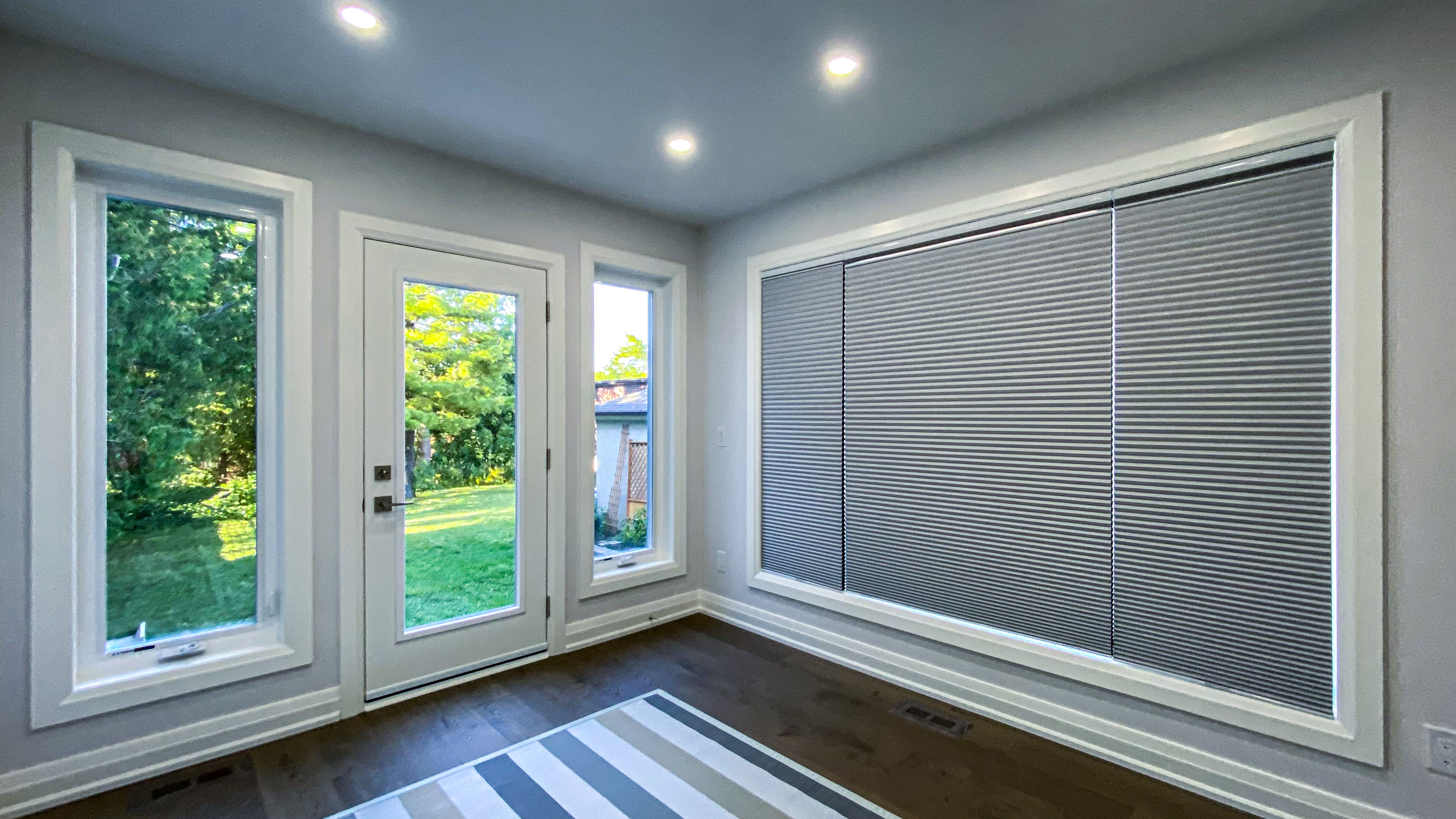
A designer might draw a stunning floor-to-ceiling window wall that looks incredible on paper, but they may not realize that the structural steel required to support it—and the crane needed to lift that steel over your house—adds $25,000 to the project. If you don't know that until the drawings are finished, you’ve already spent time and money on a plan you can’t afford.
The Cost of "Redrawing"
If you receive a construction quote that is over your budget, your only options are to cancel the project or go back to the designer to "value engineer" the plans. This means paying for a second round of architectural and engineering fees to simplify the design.
By starting with drawings first, you are essentially paying to design the project twice.
Budgeting as a Design Tool
At RCSQ, we believe that a budget isn't a restriction on creativity—it’s a tool that informs it. When we establish a "Financial Reality" at the beginning of the process, it allows the design phase to be much more productive:
Prioritization: If we know the budget is tight, we can choose to spend on high-impact areas (like a vaulted ceiling) while saving on others (like standard window sizes).
Feasibility: We can identify "budget-killer" site constraints—like a difficult sewer connection—before the building's footprint is locked in.
Efficiency: We can design the structure to use standard material lengths and simple spans, reducing waste and labor costs.
The Better Way: The Integrated Approach
The most successful projects are those where the builder and the designer are speaking the same language from day one. By integrating construction costs into the very first sketches, we ensure that the home we design is the home we actually build.
Don't fall into the trap of designing a dream you can't build. Start with the numbers, and let the design follow reality.
Ready to Build with Confidence?
Navigating the complexities of laneway and garden suite construction in Toronto requires more than just a set of drawings—it requires a partner who understands the financial and logistical realities of infill building. At RCSQ, we specialize in turning backyard potential into high-quality, functional living spaces without the typical budget surprises.
Whether you are just starting to explore the possibilities or you are ready to get into the details of your specific lot, we are here to help you lead the way.
See Our Work: Browse our Projects to see how we’ve transformed Toronto backyards.
Get in Touch: Ready for a real conversation about your budget and goals? Contact Us for a site-specific consultation.
Stay Connected: Follow us on Instagram for behind-the-scenes looks at our current builds and expert advice on building in today’s market.


